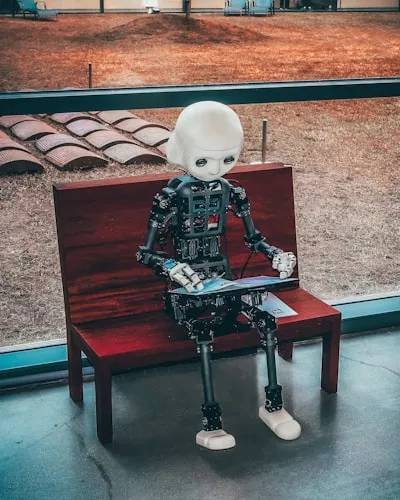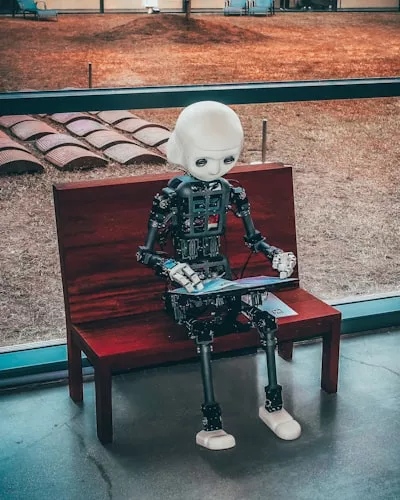



Khám Phá Thế Giới Của AI Và Tự Động Hóa
Trong thời đại công nghệ 4.0, trí tuệ nhân tạo (AI) đã trở thành một yếu tố quan trọng trong việc cải thiện…
By
on

The benefits of food delivery software are numerous and can greatly improve the efficiency and customer satisfaction of a food delivery business. In addition, it can also help reduce labor costs.
When it comes to food delivery software, there are several different types that serve various purposes in the process of ordering, managing, and delivering meals. Each type of software plays a crucial role in ensuring a seamless and efficient food delivery experience for both businesses and customers. Let’s explore the different types of food delivery software:
Order taking software is designed to streamline the process of receiving and managing customer orders. This type of software typically includes features such as a user-friendly interface for customers to place their orders, integration with payment gateways for secure transactions, and order tracking capabilities. By using order taking software, restaurants and food delivery businesses can efficiently manage incoming orders and ensure that they are fulfilled in a timely manner.
Delivery management software focuses on optimizing the logistics of delivering food to customers. It includes features such as route optimization, real-time tracking, and delivery scheduling. This type of software enables businesses to efficiently assign delivery tasks to drivers, track their progress, and provide customers with accurate delivery time estimates. By using delivery management software, businesses can streamline their delivery operations, reduce delivery costs, and improve overall customer satisfaction.
POS (Point of Sale) software is essential for food delivery businesses that also have physical locations or offer dine-in services. This type of software allows businesses to manage orders, payments, and inventory in a single system. With POS software, businesses can accept orders from multiple channels, such as online platforms and in-person, and seamlessly integrate them into their operations. It also provides valuable insights into sales, customer behavior, and inventory management, helping businesses make informed decisions to optimize their operations.
In conclusion, food delivery software comes in various types, each serving a unique purpose in the food delivery process. Order taking software streamlines the order placement and management process, delivery management software optimizes the logistics of delivering food, and POS software integrates orders and payments across different channels. By leveraging the right food delivery software for their specific needs, businesses can enhance their efficiency, improve customer satisfaction, and ultimately drive success in the competitive food delivery industry.
Developing food delivery software involves a systematic process to ensure the creation of a reliable and efficient solution. The following are the key steps involved in the development process:
At the beginning of the development process, it is essential to gather all the necessary requirements for the food delivery software. This involves understanding the specific needs and goals of the business and its customers. It is important to consider factors such as order management, delivery tracking, payment processing, and integration with existing systems.
Once the requirements are gathered, the next step is to design the food delivery software. This involves creating wireframes and mockups to visualize the user interface and the overall flow of the application. The design should be user-friendly, intuitive, and visually appealing to enhance the user experience.
After the design is finalized, the development phase begins. Skilled developers use programming languages and frameworks to build the software according to the specifications. They create the necessary modules and functionalities, such as order management, menu customization, delivery tracking, and payment integration. The development process also includes database design and implementation.
Testing is a crucial step in the development process to ensure the software functions as intended. It involves conducting various tests, such as functional testing, performance testing, and security testing. The software should be tested on different devices and platforms to ensure compatibility and reliability.
Once the food delivery software has been thoroughly tested and deemed ready for use, it is deployed to the live environment. The deployment process involves setting up the necessary infrastructure, configuring servers, and ensuring a smooth transition from the development environment to the production environment. It is important to monitor the software closely after deployment to address any issues that may arise.
In conclusion, the development process of food delivery software involves gathering requirements, designing the user interface, developing the software, testing its functionality, and deploying it to the live environment. This systematic approach ensures the creation of a reliable and efficient solution that meets the specific needs of businesses in the food delivery industry.
Developing food delivery software involves a systematic process to ensure the final product meets the requirements and expectations of the business. Below is a step-by-step guide to the development process of food delivery software:
1. Requirements Gathering: The first step in developing food delivery software is to gather requirements. This involves understanding the business goals, user needs, and specific features and functionalities required for the software. It is essential to have clear, well-defined requirements to guide the development process.
2. Design: Once the requirements are gathered, the next step is to design the software. This includes creating wireframes, user interface designs, and architectural diagrams. The design phase helps visualize how the software will look and function, ensuring a user-friendly and intuitive experience for both customers and restaurant staff.
3. Development: After the design phase, the actual development of the food delivery software begins. This involves writing code, implementing the required features and functionalities, and integrating any necessary third-party APIs. During development, it is crucial to follow best practices and coding standards to ensure the software is robust, scalable, and maintainable.
4. Testing: Testing is a critical phase in the development of food delivery software. It helps identify and fix any bugs or errors before the software is deployed. Testing should cover various scenarios, including order placement, payment processing, delivery tracking, and integration with other systems. Thorough testing ensures the software functions as intended and provides a seamless experience for users.
5. Deployment: Once the software passes all tests and is ready for production, it can be deployed. The deployment process involves setting up servers, configuring the software, and ensuring it is accessible to users. It is essential to have a robust infrastructure to handle the expected load and ensure the software is available and responsive at all times.
By following these steps, businesses can develop effective food delivery software that meets their specific needs. Whether it is a custom solution or an integration with existing systems, a well-planned development process ensures a high-quality and reliable software solution for food delivery operations.
The development of food delivery software involves several steps to ensure a successful and efficient system. Here is an overview of the development process:
Overall, the development process of food delivery software requires close collaboration between the development team and the client. Clear communication and regular updates are essential to ensure that the final product meets the specific requirements and expectations of the business. With a well-designed and properly implemented food delivery software, restaurants can enhance their delivery services, increase efficiency, and improve customer satisfaction.
Developing food delivery software involves several important steps to ensure a successful and efficient system. Here is a breakdown of the development process:
Overall, the development process of food delivery software requires careful planning, technical expertise, and attention to detail. By following these steps, businesses can create a customized and efficient solution that enhances their food delivery operations and provides a seamless experience for their customers.
Developing food delivery software requires a systematic process that ensures a successful end product. This process involves several stages, including requirements gathering, design, development, testing, and deployment.
The first step in developing food delivery software is to gather the requirements from the client. This involves understanding their specific needs and goals for the software. The development team will work closely with the client to determine the features, functionalities, and specifications required for the software.
During this stage, it is important to consider factors such as the target audience, the type of food delivery service being offered, and any special requirements or constraints that need to be addressed.
Once the requirements have been gathered, the development team will move on to the design phase. This involves creating a blueprint or a visual representation of how the software will look and function.
The design should be user-friendly, intuitive, and visually appealing. It should also take into account the branding and identity of the food delivery service. The design phase may also include creating wireframes or prototypes to get feedback and make any necessary improvements before moving on to development.
The development stage is where the actual coding and programming of the food delivery software takes place. This is where the design is turned into a functional software solution.
The development team will use programming languages and software development tools to build the software according to the specifications and requirements gathered earlier. They will also ensure that the software is scalable, secure, and compatible with different devices and operating systems.
After the development is complete, the food delivery software undergoes rigorous testing to identify any bugs, errors, or issues that need to be addressed before launching the software.
Testing involves simulating real-world scenarios, checking for usability, performance, and functionality. It may also involve conducting user acceptance testing, where the software is tested by actual users to gather feedback and make improvements.
Once the software has been thoroughly tested and any necessary changes have been made, it is ready for deployment. The development team will deploy the software on the desired platform, whether it’s a web application, a mobile app, or a combination of both.
During the deployment process, the development team will ensure that the software is properly installed, configured, and integrated with any necessary systems or databases. They will also provide training and support to the client to ensure a smooth transition to the new software.
In conclusion, the development process of food delivery software involves gathering requirements, designing the software, developing the software, testing it for any issues, and deploying it to the desired platform. This systematic approach ensures that the end product meets the client’s needs and provides an efficient and user-friendly solution for food delivery services.
When it comes to developing food delivery software, there are several important steps in the process. This ensures that the software meets the specific needs of the business and provides a seamless experience for both the restaurant and the customer.
The first step in developing food delivery software is to gather all the requirements. This involves understanding the needs and goals of the business, as well as the specific features and functionalities that are required. This can include things like order taking, delivery tracking, payment processing, and integration with existing systems.
Once the requirements have been gathered, the next step is to design the software. This involves creating a user interface that is intuitive and easy to use for both the restaurant staff and the customers. The design should also take into consideration the branding and identity of the business.
After the design has been finalized, the development process begins. This involves writing the code and implementing the various features and functionalities of the software. The development team will also work on integrating any necessary APIs or third-party services that are required.
Once the software has been developed, it is important to thoroughly test it to ensure that it functions correctly and meets the requirements. This includes testing for bugs, usability issues, and security vulnerabilities. Testing should be conducted on different devices and platforms to ensure compatibility.
After the software has been tested and any necessary fixes or improvements have been made, it is ready for deployment. This involves installing the software on the necessary servers or cloud platforms and making it available to the restaurant staff and customers. It is important to ensure a smooth transition and provide any necessary training or support.
In conclusion, the development process of food delivery software involves gathering requirements, designing the software, developing the code, testing for quality assurance, and finally deploying the finished product. This process ensures that the software meets the specific needs of the business and provides a seamless experience for both the restaurant and the customer.

This is the Post Content block, it will display all the blocks in any single post or page.
Trong thời đại công nghệ 4.0, trí tuệ nhân tạo (AI) đã trở thành một yếu tố quan trọng trong việc cải thiện…
Các mô hình AI tinh chỉnh đang mang lại những ứng dụng đáng kể trong đời sống mà chúng ta chưa từng tưởng…
Trong thời đại công nghệ hiện nay, trí tuệ nhân tạo (AI) không chỉ thay đổi cách chúng ta làm việc mà còn…